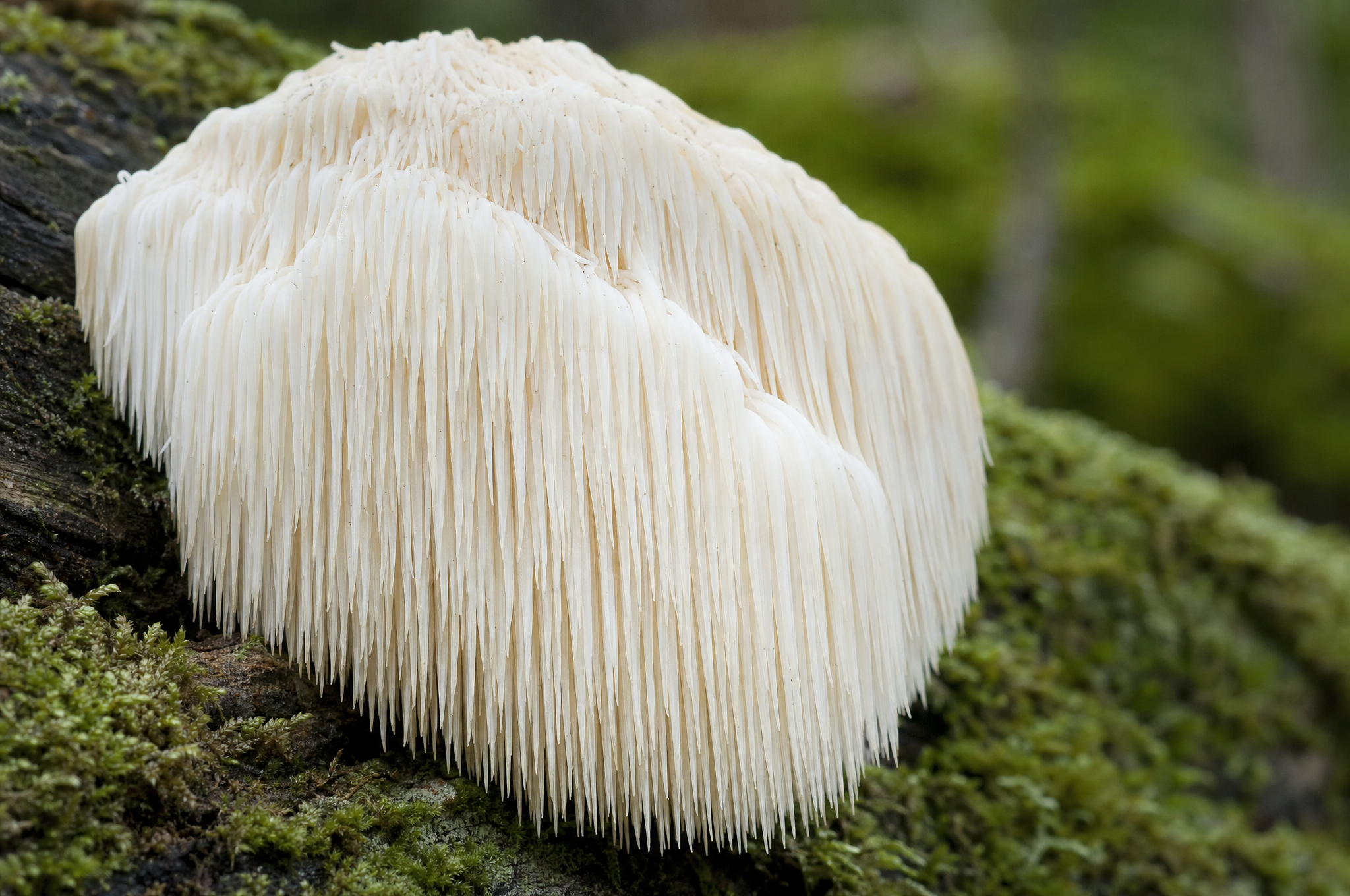
 Lion's Mane
Lion's Mane and the Brain: What Research Actually Shows
Separating laboratory promise from clinical reality. What do we know about Hericium erinaceus and cognitive health?
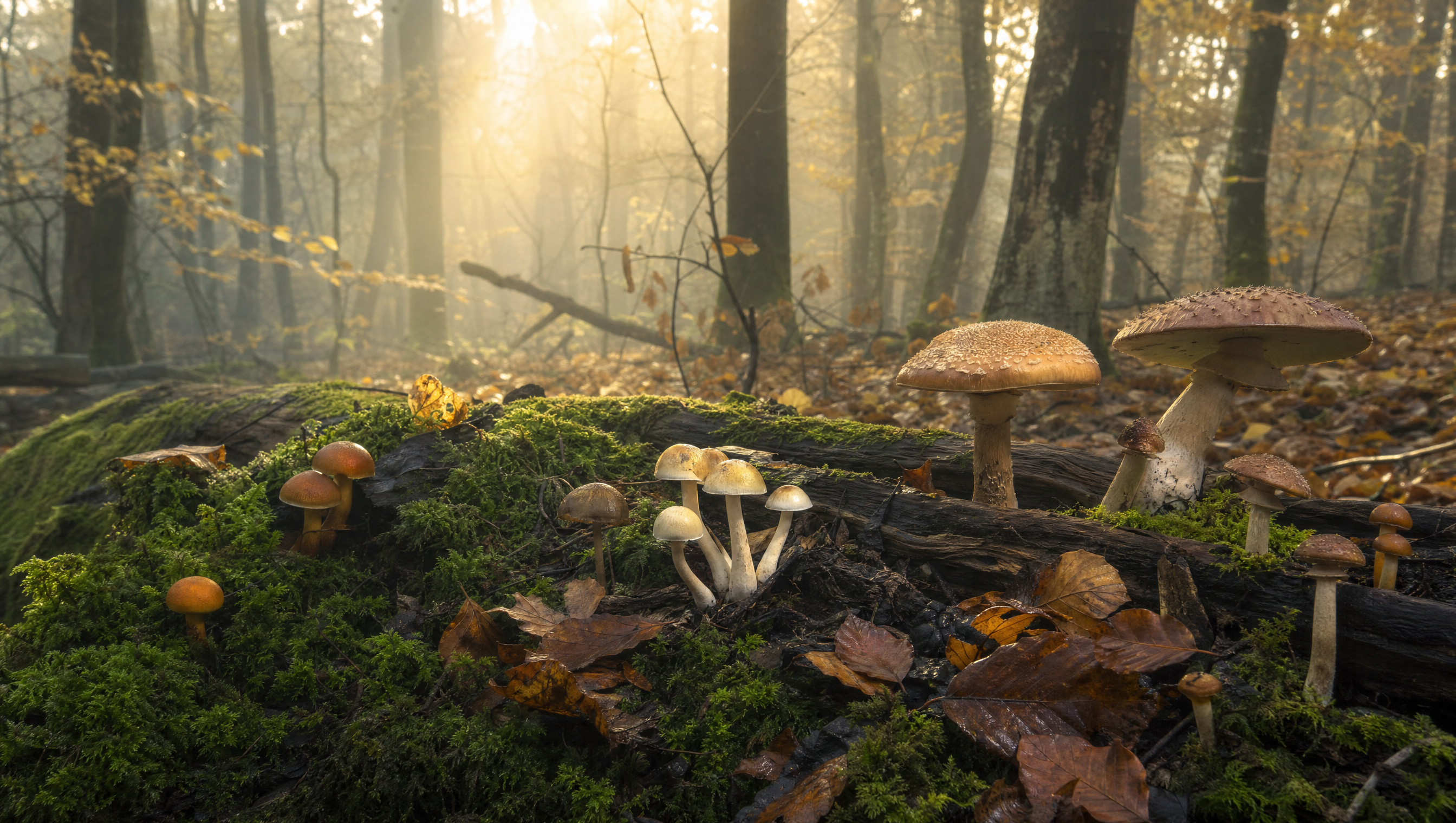
An independent educational resource exploring the biology, traditional uses, and emerging research behind Cordyceps, Lion's Mane, Reishi, and other medicinal fungi — grounded in evidence, not hype.
Each season we spotlight a medicinal mushroom worth understanding.
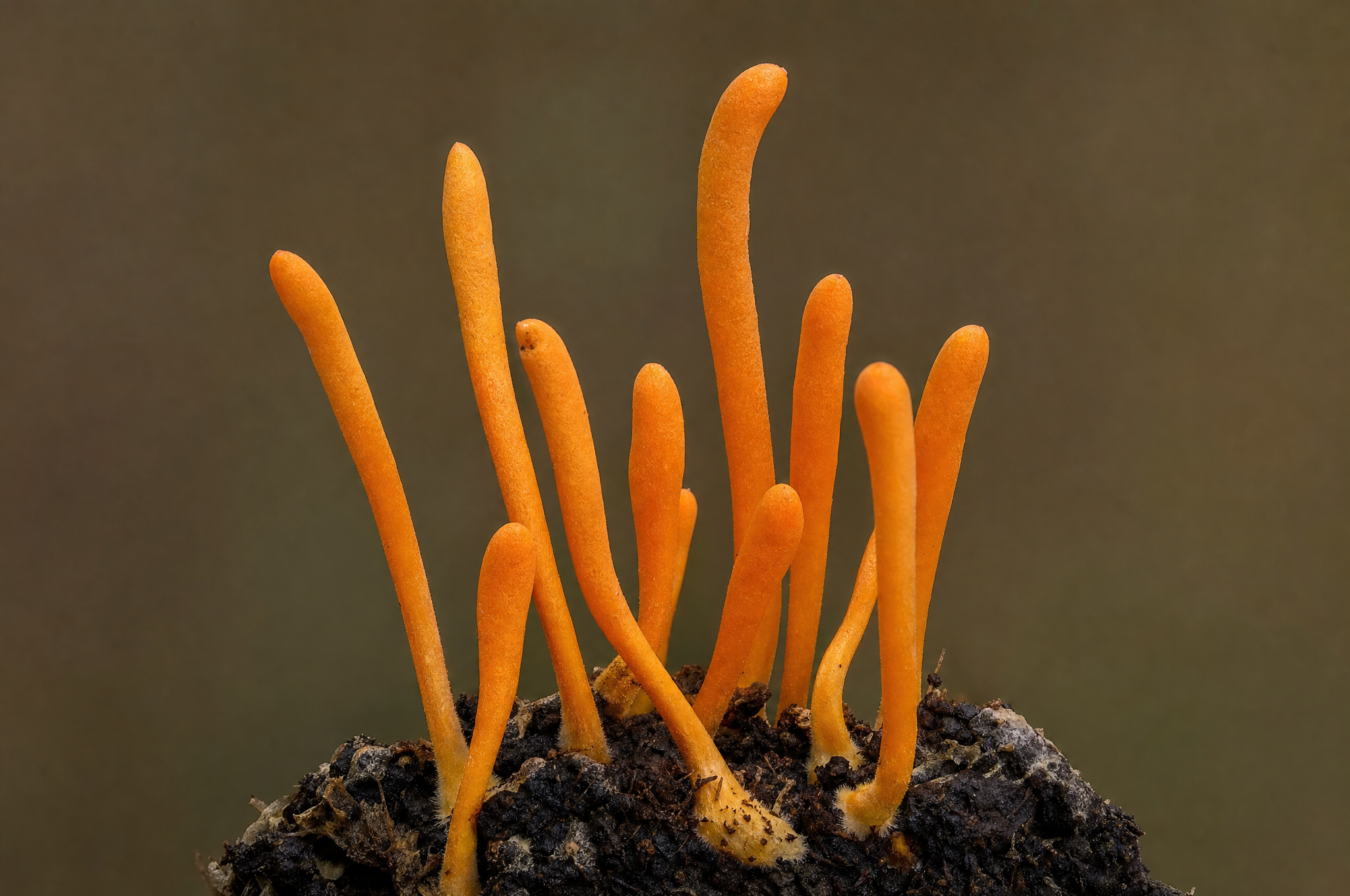
Cordyceps militaris — the orange club fungus
One of the most studied entomopathogenic fungi, Cordyceps militaris has captured scientific attention for its unique bioactive compounds. Unlike its wild cousin C. sinensis, this species can be cultivated on grain substrates, making it accessible for research and sustainable use.
A plain-language look at what recent studies actually found — and what they didn't.
Compounds isolated from Lion's Mane (Hericium erinaceus) — hericenones from the fruiting body and erinacines from the mycelium — have demonstrated stimulation of nerve growth factor (NGF) synthesis in cultured cells. While these laboratory findings are compelling, human clinical evidence remains limited. Understanding the gap between in vitro results and clinical outcomes is essential for honest wellness education.
Read our full breakdown: Lion's Mane and the Brain: What Research Actually Shows
Before you ever pick a wild mushroom, understand these foundational rules.
Positive identification to species level is non-negotiable. Many edible mushrooms have toxic look-alikes. When in doubt, throw it out — there is no room for guesswork.
Join a local mycological society. Attend forays led by experienced identifiers. Books and apps are tools, not substitutes for mentorship and field experience.
Begin with mushrooms that have no dangerous look-alikes — chicken of the woods, puffballs, and chanterelles. Build competence gradually before tackling difficult genera.
Evidence-curious explorations of fungi, biology, and wellness.
Lion's Mane
Separating laboratory promise from clinical reality. What do we know about Hericium erinaceus and cognitive health?
Cordyceps
The biology, ecology, and cultural fascination behind one of the world's most unusual fungi.
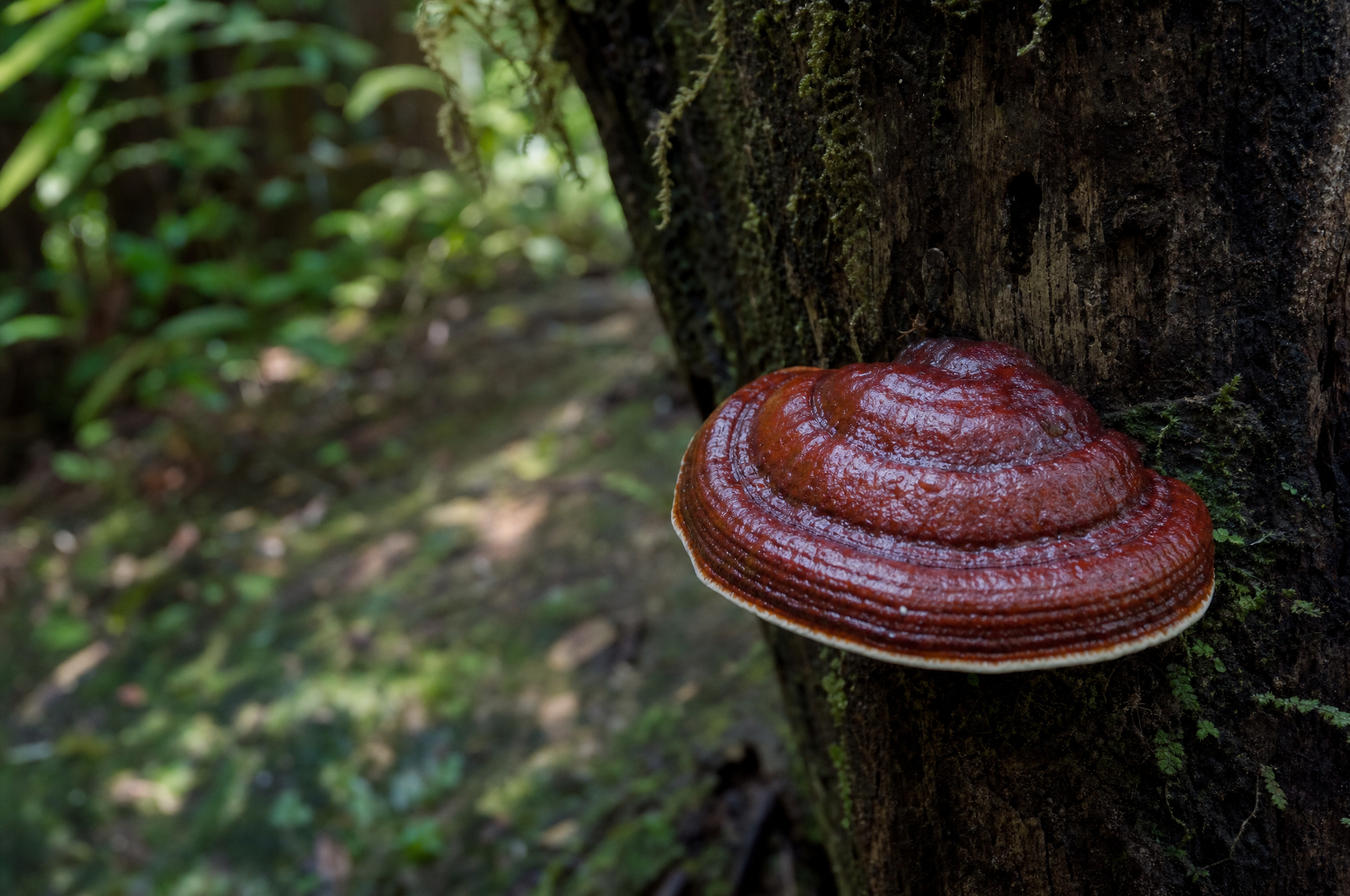 Reishi
A 2,000-year journey from imperial tonic to laboratory subject. What changed, and what stayed the same?
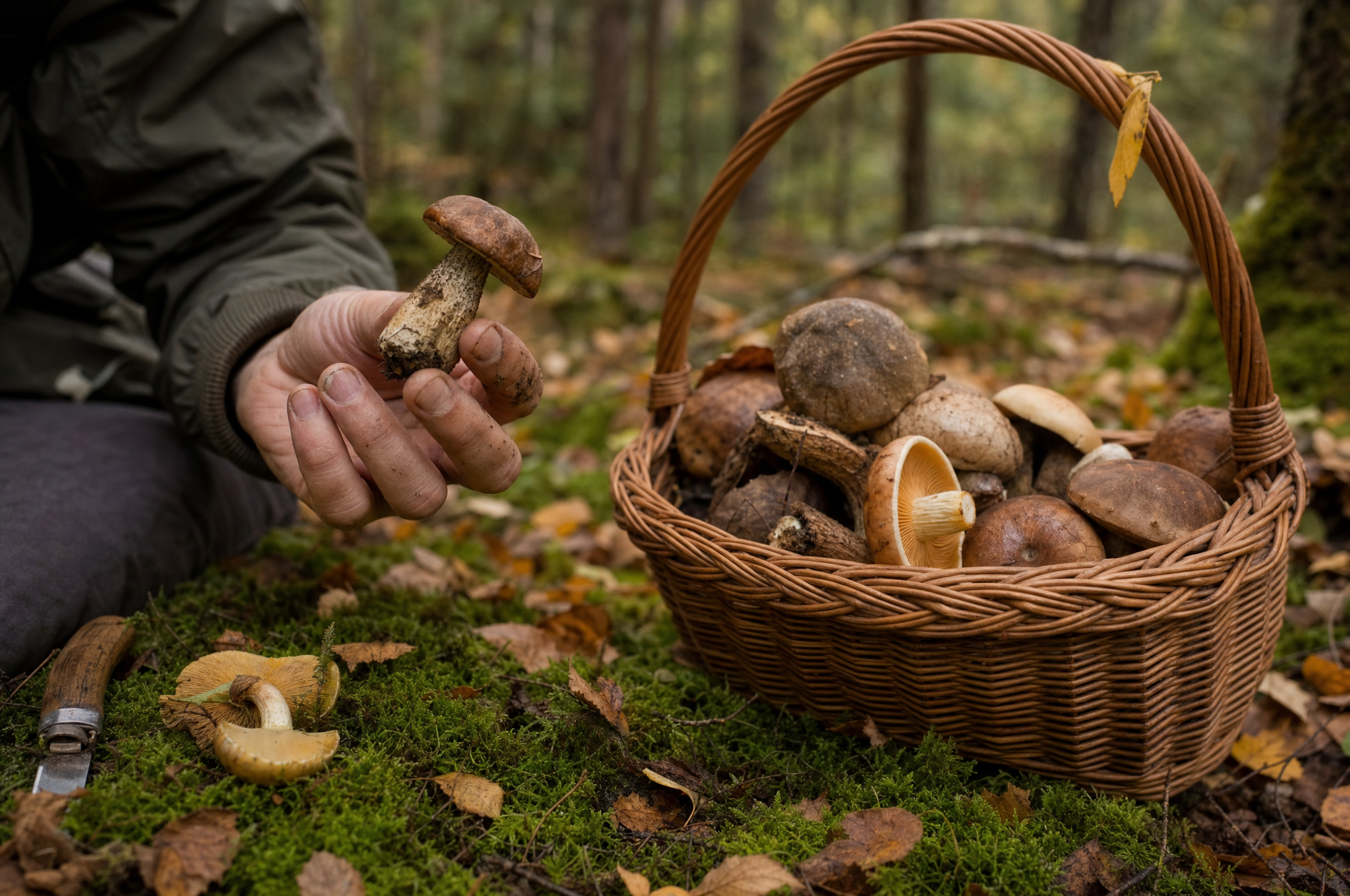 Foraging Safety
A systematic approach to wild mushroom identification — built on caution, mentorship, and incremental learning.
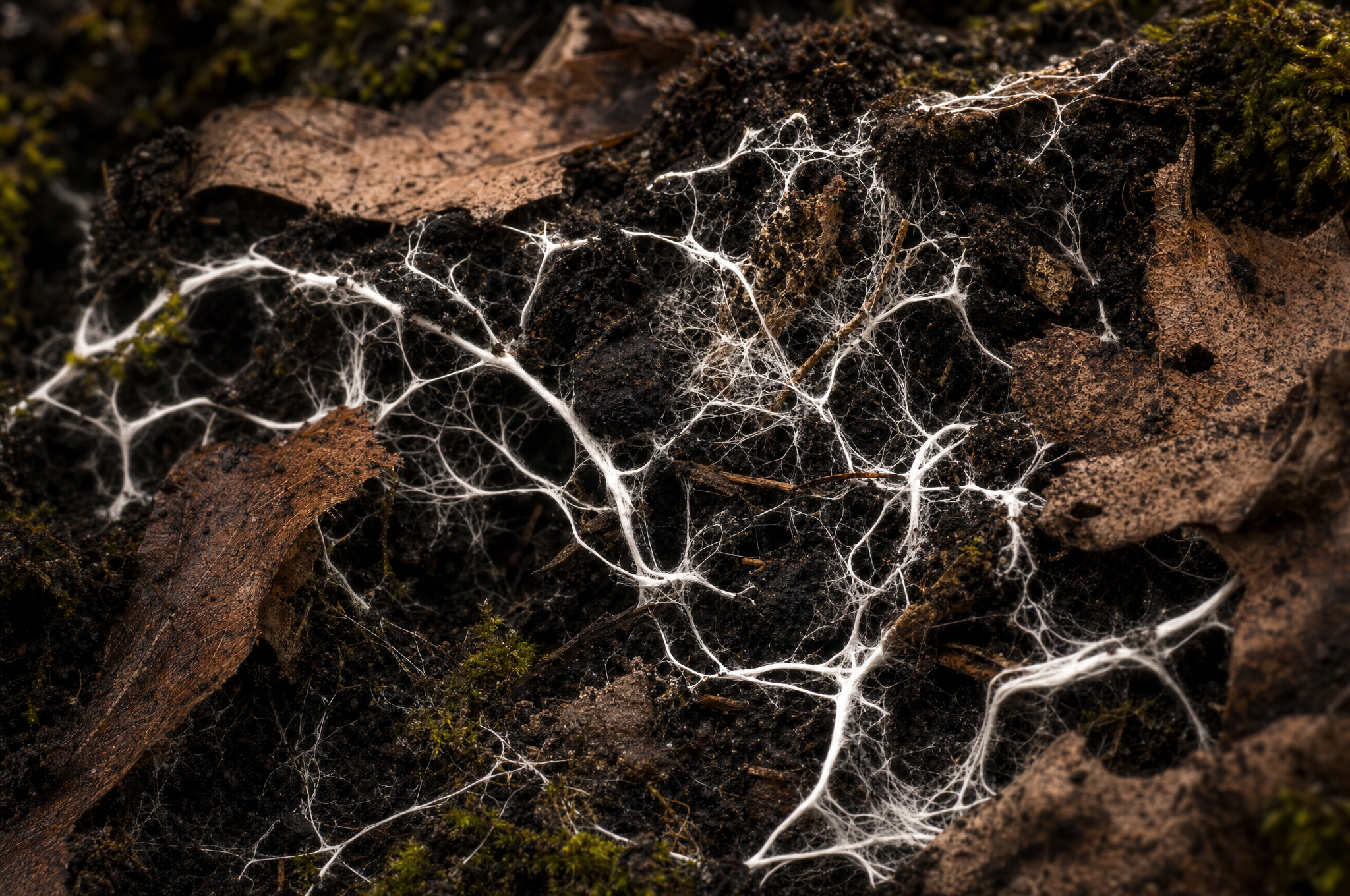 Research Summaries
Beneath the forest floor lies a living network. What does the science actually say about fungal communication?
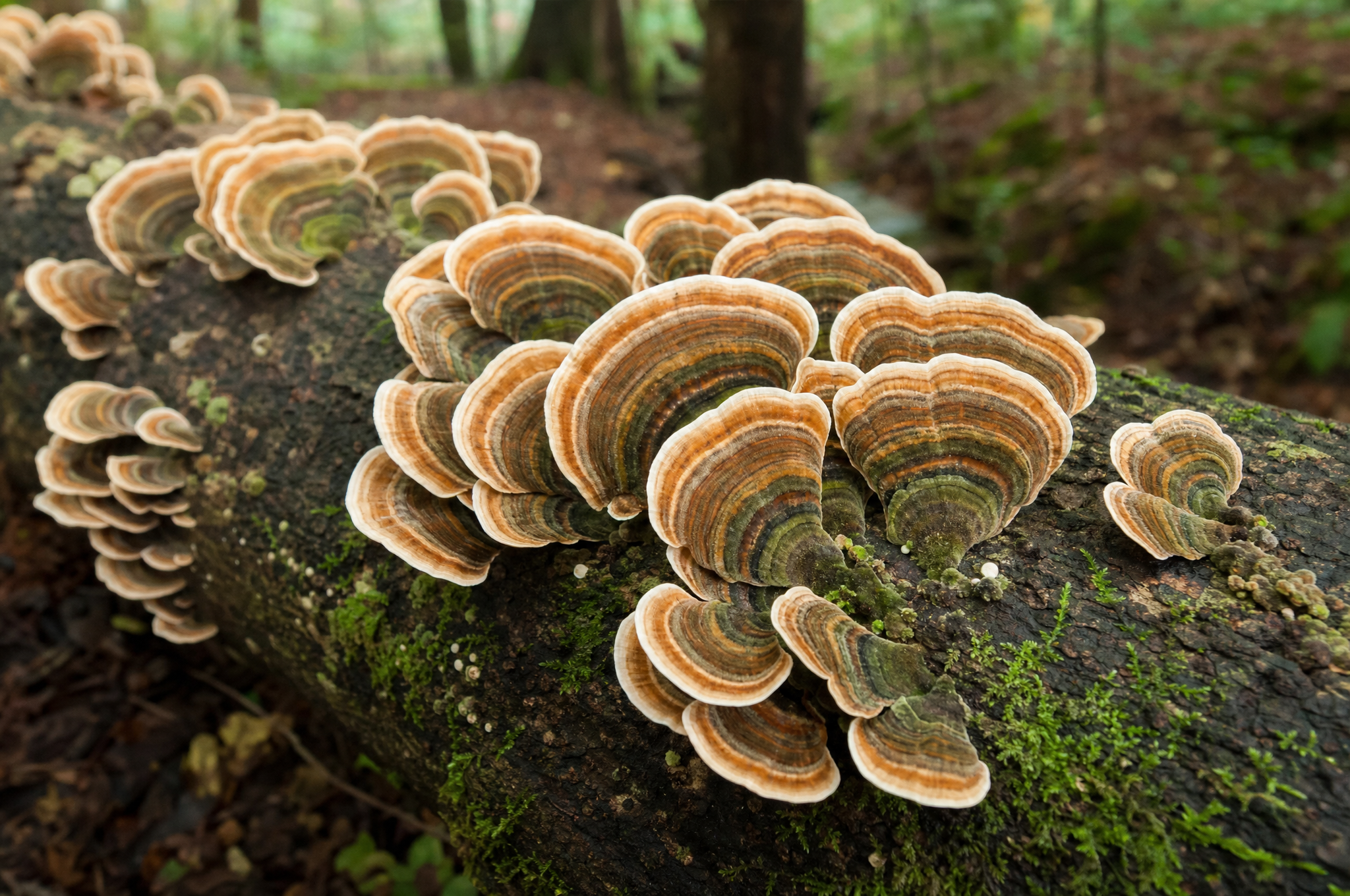 Research Summaries
With decades of clinical research behind it, Trametes versicolor is one of the best-studied medicinal fungi. Here's where the evidence stands.
Whether you're new to mycology or deepening your knowledge, here's how to navigate the fungal world.
Understand what fungi actually are — not plants, not animals, but their own kingdom.
Learn the key species, their identifying features, compounds, and traditional significance.
Engage with the science critically — understand what studies show and their limitations.
If foraging calls to you, learn ethics, safety, and identification from experts.